Creating a relaxing home office environment is essential for maintaining focus, reducing stress, and enhancing overall productivity. Whether you work remotely full-time or occasionally need a space for creative tasks, your home office should feel inviting and comfortable. Here, we explore practical tips to transform your workspace into a calming haven that supports your work and wellbeing.
Why a Relaxing Home Office Matters
A well-designed, relaxing workspace helps to:
– Improve concentration by reducing distractions
– Lower stress and anxiety levels during work hours
– Encourage better posture and comfort
– Create a positive mindset that fosters productivity
Spending hours in a cluttered, uncomfortable, or uninspiring office can affect both your mental and physical health. Fortunately, simple adjustments can make a significant difference.
Choosing the Right Location
Find a Quiet Spot
Select an area in your home where noise and interruptions are minimal. If possible, a spare room or a corner away from busy living spaces is ideal. This helps you switch into “work mode” more easily.
Maximise Natural Light
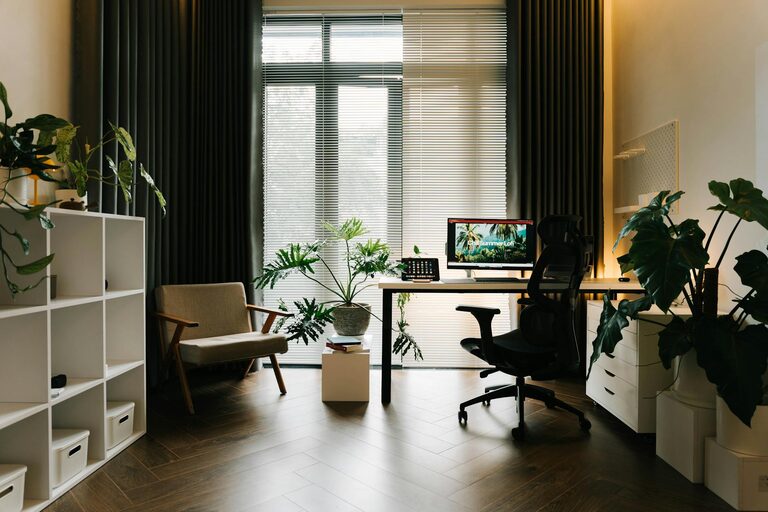
Natural daylight enhances mood and alertness. Position your desk near a window if you can, but avoid harsh glare on your computer screen. Use light curtains or blinds to control brightness.
Declutter and Organise Your Space
Keep Surfaces Clear
A clean desk clears your mind. Remove unnecessary items and keep only essential tools within reach.
Use Storage Solutions
Invest in shelves, drawers, or organisers to manage paperwork, stationery, and gadgets. Labelled containers can also save time hunting for supplies.
Digital Decluttering
Organise your computer desktop and emails regularly to avoid feeling overwhelmed by digital mess.
Choose Comfortable and Supportive Furniture
Ergonomic Chair
An adjustable chair that supports your lower back is crucial for comfort, especially if you sit for long hours. Aim for a chair that encourages good posture.
Desk Height and Size
Your desk should be at a height where your forearms are parallel to the floor while typing. Choose a desk spacious enough to accommodate your essentials without overcrowding.
Add a Footrest or Cushion
If your feet don’t touch the floor comfortably, a footrest helps improve circulation. A cushion can add extra comfort if needed.
Calming Colour Schemes and Personal Touches
Use Soothing Colours
Soft blues, greens, or neutrals tend to create a calming atmosphere. Avoid overly bright or harsh colours that can be distracting or stressful.
Personalise Thoughtfully
Add a few meaningful items such as family photos, inspiring artwork, or plants. These elements can make the space feel inviting without causing clutter.
Incorporate Nature and Plants
Benefits of Greenery
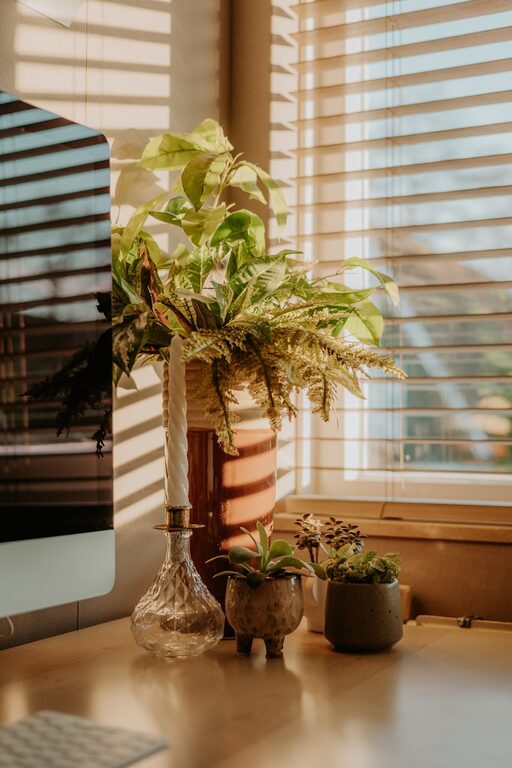
Plants can increase oxygen levels and reduce stress. Popular low-maintenance options include spider plants, succulents, and snake plants.
Placement Tips
Place plants where they get natural light and can be easily watered. Ensure they don’t obstruct your workspace or cause allergic reactions.
Improve Lighting for Comfort and Productivity
Layer Different Light Sources
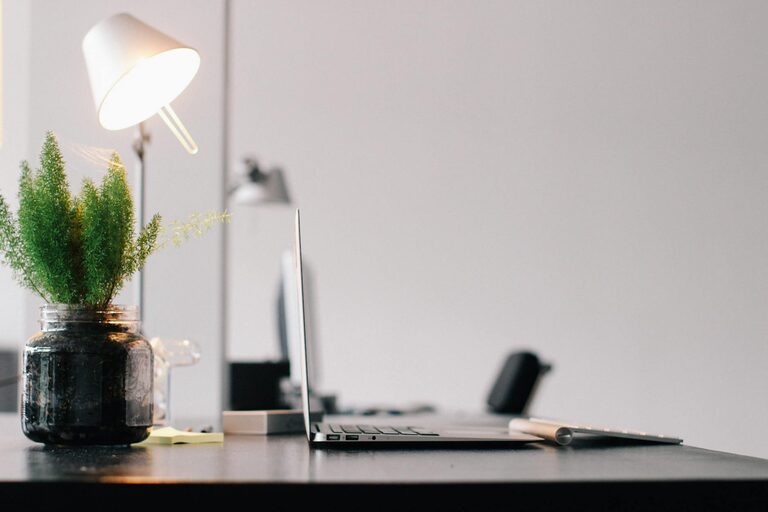
Combine overhead lighting with task lamps to reduce eye strain. Adjustable lamps help focus light where you need it most.
Choose Warm or Neutral Light Bulbs
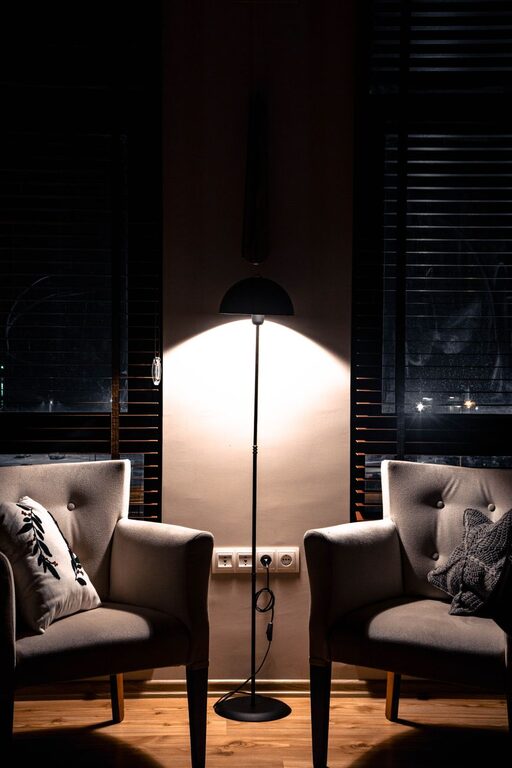
Avoid overly harsh fluorescent lighting. Warmer tones tend to be more relaxing and reduce fatigue.
Minimise Noise and Distractions
Use Noise-Cancelling Headphones
If you can’t control household noise, headphones can help block distractions.
Background Sound
Soft music or ambient sounds, such as nature recordings, can improve concentration for some people.
Inform Household Members
Set clear boundaries about your working hours to minimise interruptions.
Keep Air Fresh and Maintain Good Ventilation
Open Windows Regularly
Fresh air helps you stay alert and prevents stuffiness.
Use Air Purifiers or Humidifiers
If indoor air quality is a concern, these devices can improve your comfort, especially during colder months.
Take Breaks and Include Movement
Schedule Regular Breaks
Step away from your desk every hour to stretch or walk briefly. This prevents stiffness and keeps your mind fresh.
Use Comfortable Floor Mats
If you prefer standing desks or alternate between sitting and standing, anti-fatigue mats add support.
Utilise Technology Mindfully
Manage Screen Time
Adjust the brightness and use blue light filters to reduce eye strain during long screen sessions.
Organise Cables
Use cable organisers or clips to keep wires tidy and avoid a tangled mess.
Final Thoughts
Designing a relaxing home office doesn’t require expensive decor or a complete overhaul. Small changes, such as adding plants, organising your space, and choosing comfortable furniture, can create a peaceful environment that supports productivity and wellbeing. Remember, a space that feels good to work in helps you do your best work with less stress. Take the time to personalise your office to suit your needs, and you’ll likely find your workflow improving along the way.