
Setting up a home workspace that truly suits your needs can make a big difference in your productivity and overall well-being. Whether you’re working remotely full-time or just need a dedicated spot to check emails and complete tasks, creating an environment that supports your focus and comfort is essential.
In this guide, we’ll explore practical tips to help you design a home workspace that boosts your efficiency while matching your unique work style.
Choose the Right Location
Finding the perfect spot is the first step towards a productive workspace. Ideally, pick a quiet area away from distractions like the TV or busy parts of the house.
– Consider natural light: Working near a window with plenty of daylight can improve mood and reduce eye strain.
– Privacy matters: If possible, use a separate room or corner that can be closed off to keep work and personal life distinct.
– Space availability: Make sure there’s enough room for your desk, chair, and any equipment you need.
Invest in Ergonomic Furniture
Comfort is key to maintaining focus and avoiding aches during long working hours.
– Ergonomic chair: Choose one that supports your lower back and encourages good posture.
– Suitable desk height: Your desk should allow your forearms to rest parallel to the floor when typing.
– Monitor placement: Position your screen at eye level around an arm’s length away to prevent neck strain.
Organise for Efficiency
A clutter-free and well-organised space helps reduce stress and saves time searching for essential items.
– Use storage solutions: Shelving units, drawers, or filing cabinets keep documents and stationery orderly.
– Desk organisers: Small trays or containers for pens, paper clips, and notepads prevent clutter.
– Digital organisation: Keep your computer files and emails sorted for quick access.
Set Up Good Lighting
Appropriate lighting is vital to avoid fatigue and maintain alertness.
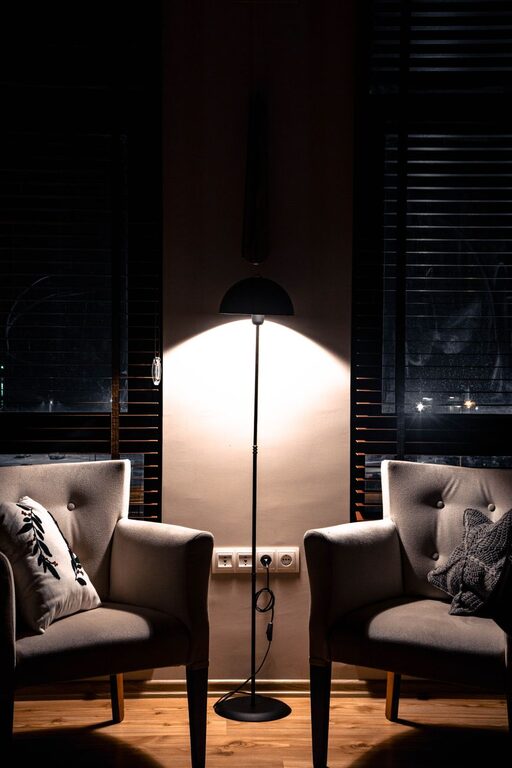
– Combine natural and artificial light: Use daylight where possible, supplemented by desk lamps with adjustable brightness.
– Avoid glare: Position screens to minimise reflections and choose soft, warm lighting for comfort.
– Consider task lighting: Brighten specific areas where detailed work happens to reduce eye strain.
Personalise Your Space
Adding personal touches helps create a welcoming atmosphere that encourages you to spend time focused.
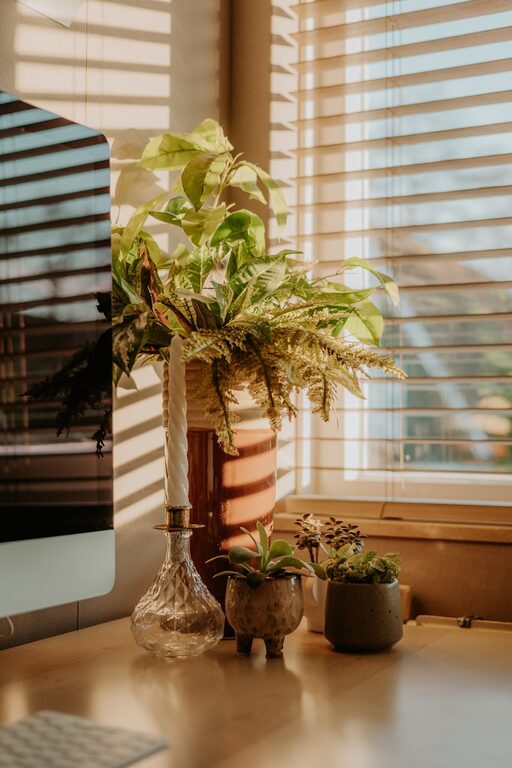
– Decorate with plants: Indoor greenery can improve air quality and create a calming environment.
– Incorporate inspiring artwork: Pictures or quotes that motivate you make your workspace feel inviting.
– Choose colours wisely: Use calming hues like blues and greens or energising tones such as yellows, depending on your preferences.
Minimise Distractions
Creating clear boundaries between work and home life is crucial for concentration.
– Set clear working hours: Communicate your schedule to others in your household.
– Use headphones: Noise-cancelling or comfortable headphones help you stay focused.
– Limit access to non-work devices: Turn off notifications or keep personal devices out of sight during work time.
Optimise Technology Setup
Reliable and efficient technology is essential to maintaining productivity.
– High-speed internet: Ensure your connection is strong enough for video calls and large file transfers.
– Quality peripherals: Invest in a comfortable keyboard and mouse suited to your needs.
– Backup power solutions: Consider surge protectors or backups to avoid data loss during outages.
Incorporate Movement and Break Areas
Taking short breaks and moving regularly helps to maintain energy and avoid fatigue.
– Designate a small area for stretching: Even a corner with a yoga mat encourages movement.
– Use a standing desk or adjustable workstation: Alternating between sitting and standing may improve comfort.
– Schedule break reminders: Use apps or alarms to remind you to rest your eyes and stretch.
Evaluate and Adjust Regularly
Finally, your workspace should evolve with your needs.
– Reflect on what works: Periodically assess your comfort, productivity, and overall happiness with the space.
– Make changes as required: Don’t hesitate to rearrange, upgrade, or refresh your setup to stay motivated.
– Solicit feedback: If sharing your workspace or working with others, ask for input to improve the environment.
—
By thoughtfully designing your home workspace, you can nurture a productive mindset and enjoy a healthier, more balanced working routine. It’s all about making the space work for you, so take your time and personalise it to fit your lifestyle and work demands.