
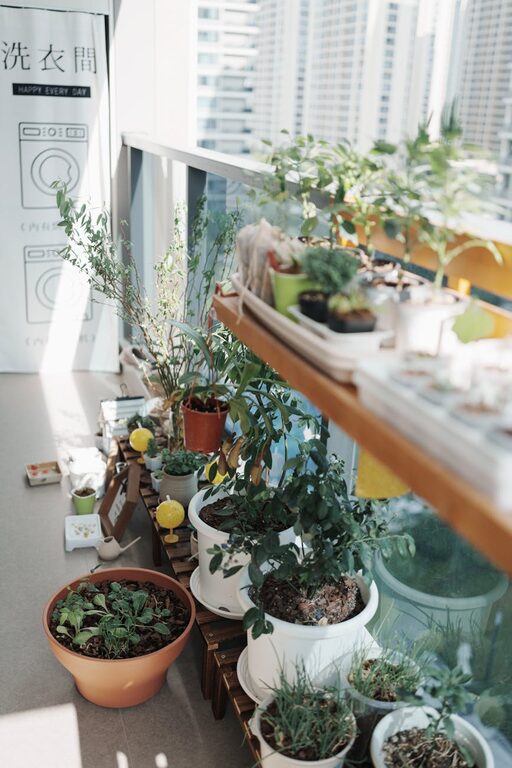
Creating a beautiful and organised garden in a small space can be a rewarding challenge. Whether you have a compact backyard, a balcony, or a modest front garden, with the right approach, it is possible to make the most of the area you have. This guide offers effective tips to help you organise a small garden space that feels inviting, tidy, and full of life.
Assess Your Garden Space
Before diving into planting or decorating, take some time to understand the space you’re working with.
– Measure the area precisely to know the dimensions.
– Observe sunlight patterns to identify sunny, shady, and partially shaded spots.
– Note the soil type and drainage conditions.
– Identify any obstacles such as walls, fences, or fixed furniture.
Knowing these basics allows you to plan your garden more effectively.
Choose the Right Plants
Selecting the appropriate plants makes a huge difference in a small garden. Aim for varieties that fit your space and maintenance preferences.
Consider Compact or Dwarf Plants
Many plants come in compact or dwarf versions, ideal for small spaces. They take up less room but still provide colour, texture, and fragrance.
Use Vertical Planting
Support climbers or hanging plants to grow upwards rather than outwards. This saves ground space and adds visual interest at different heights.
Opt for Multi-Functional Plants
Some plants not only look attractive but also serve a purpose, like herbs for cooking or plants that attract beneficial insects.
Maximise Vertical and Container Gardening
With limited horizontal space, vertical and container gardening are excellent strategies.
Vertical Garden Ideas
– Trellises or lattices: Support climbing plants such as clematis or sweet peas.
– Stacked planters: Allow you to grow multiple plants in a tiered format.
– Wall-mounted pots or shelves: Great for herbs or trailing plants.
Container Gardening
Using containers lets you control soil quality and move plants around as needed. Containers come in various sizes and styles to suit your taste.
Keep Pathways and Seating Compact
If your garden includes a pathway or seating, keep them streamlined to preserve space.
– Choose narrow paths made from stepping stones or gravel.
– Opt for folding or stackable furniture that can be stowed away when not in use.
– Use multi-purpose furniture, like a bench with storage underneath.
Incorporate Storage Solutions
In small gardens, clutter can easily make the space feel cramped. Organise tools and accessories efficiently.
– Use vertical sheds or slim storage units.
– Store garden tools on wall-mounted racks.
– Hide items under benches or seating boxes.
Create Zones for Different Uses
Dividing your small garden into zones helps keep it organised and purposeful.
– Planting zone: Where your flowers or vegetables grow.
– Relaxation zone: Seating area for enjoying the garden.
– Utility zone: For tools, compost bins, or potting.
Clearly defined zones make the garden easier to maintain and more enjoyable to use.
Choose Low-Maintenance Features
A small garden can still be manageable if you pick low-maintenance plants and materials.
– Select drought-tolerant plants to reduce watering.
– Use mulch to suppress weeds and maintain moisture.
– Choose durable paving materials that require little upkeep.
Use Mirrors and Lighting to Enhance Space
To create a sense of openness, clever use of mirrors and lighting can be helpful.
– Place weatherproof mirrors discreetly on walls or fences to reflect light.
– Use solar-powered or LED lights to highlight features and extend usability into the evening.
Keep It Personal and Enjoyable
Ultimately, your small garden should reflect your style and be a place you enjoy.
– Add decorative touches like sculptures, bird feeders, or wind chimes.
– Change displays seasonally to keep the space fresh.
– Regularly prune and tidy to maintain order and appeal.
Final Thoughts
Organising a small garden space is all about thoughtful planning and making smart choices. By assessing your space, choosing the right plants, and employing vertical and container gardening, you can create a charming outdoor retreat—even in the smallest of areas. Remember, a well-organised garden not only looks great but also invites relaxation and enjoyment throughout the seasons.